Methods, practical tips, and information on managing organic matter at home, adapted to the Canadian context and its winters.
Recent articles
Three essential topics for understanding and practising composting in Canadian conditions.
Beginners
Concrete steps for setting up a compost bin in a yard or on a balcony, with materials to include and those to avoid.
Read articleCold season
Cold weather slows but does not stop decomposition. Adjustments needed to keep compost active from November to March.
Read article
Apartment
An indoor worm bin lets you process food scraps even in an apartment, year-round.
Read articleManaging organic matter at home is encouraged in most Canadian provinces. Several municipalities, including Toronto, Vancouver, and Montréal, have introduced separate organic waste collection and subsidized compost bin distribution programs.
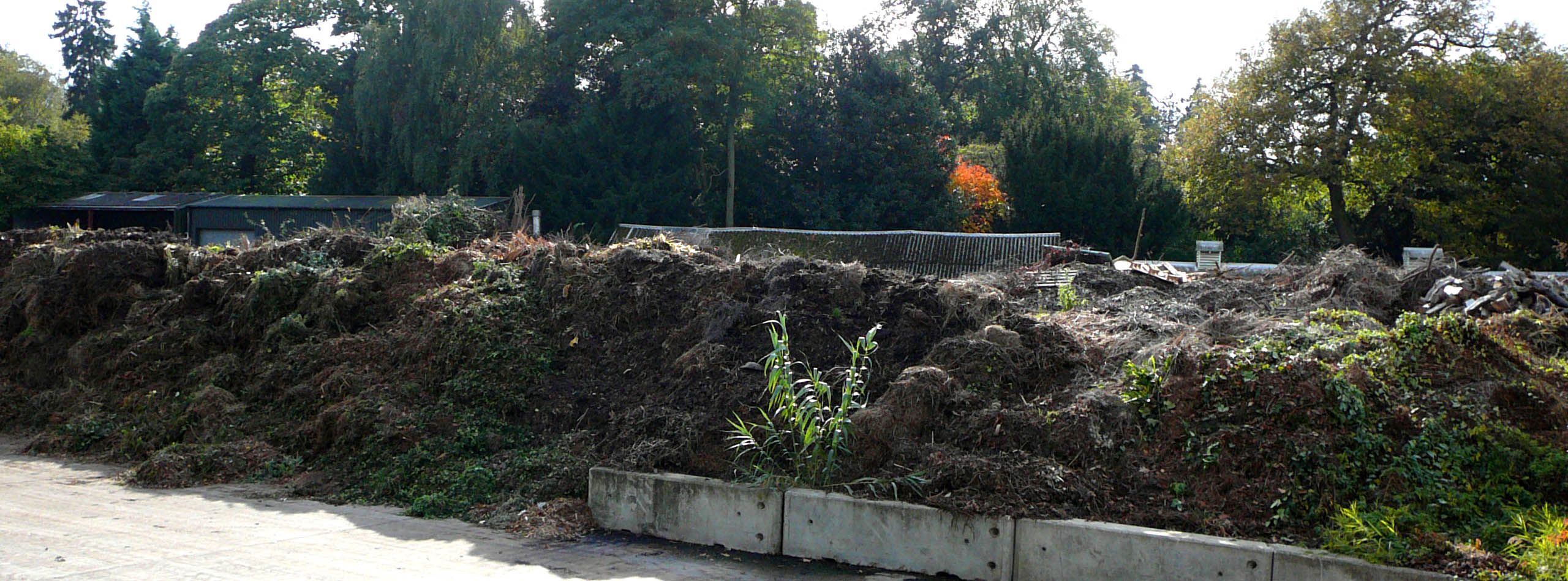
Composting reduces the amount of waste sent to landfill and produces a natural amendment useful for gardens and vegetable plots. Food scraps and green yard waste make up a significant share of household garbage.
In Canada, climate conditions vary considerably from one region to another. The cold winters of Québec, Ontario, and the Prairies require adjustments in compost management to maintain minimal biological activity.
Basics
A balanced compost relies on a mix of carbon-rich and nitrogen-rich materials in appropriate proportions.
Green materials
Vegetable and fruit peels, coffee grounds, tea bags, fresh grass clippings, uncooked food scraps. These materials provide the moisture and nitrogen microorganisms need.
Brown materials
Dead leaves, unprinted cardboard, non-glossy newsprint, straw, wood chips. These materials supply carbon and structure the pile to allow air circulation.
Exclude
Meat, fish, dairy products, cooking oils, diseased plants, pet waste, chemically treated materials. These attract pests or contain pathogens.
Aeration
Turning the pile every two to four weeks speeds decomposition and prevents odours. In summer, frequency can be increased if the pile is wet.
Moisture
The pile should be as damp as a wrung-out sponge. Too dry, and decomposition stops. Too wet, and odours develop. In summer, water lightly during dry spells.
Maturation
Mature compost smells earthy, is dark in colour, and has a uniform texture. This process takes between three months and one year depending on the method and season.
For any questions about the content on this site, use the form beside this section. Requests are handled within a few business days.